


Food is the most important thing you choose for your pet, because it affects their energy, coat, digestion and weight every day. Shelves hold hundreds of options: for puppies and kittens, adults or seniors, small or large breeds, grain free, neutered, hypoallergenic. This guide explains in plain language what matters, how to read the label, how to work out the portion and how to switch to a new food without problems. The information is general; for illnesses or special needs, the vet decides.
In short
- Choose food by species, age, size and activity level.
- Look for "complete food" on the label, not just "complementary".
- Wet food helps hydration, especially for cats; dry food is practical and economical.
- Switch food gradually over 7 to 10 days.
- Veterinary diets should only be used on a vet's recommendation.
Start with the animal: species, age, size
Dogs and cats have different nutritional needs, so do not feed them the same food. Cats, for example, need taurine and more animal protein. Then the life stage matters:
- Junior: more calories, protein and minerals for growth.
- Adult: maintenance, with portions adjusted to activity.
- Senior: usually fewer calories and joint support.
For dogs, size is essential: small breeds have a fast metabolism and need small kibble, while large breeds need controlled growth in their first year and joint support.
Dry, wet or mixed food
- Dry food: practical, economical, keeps well after opening and works in feeders.
- Wet food (tins, pouches): contains a lot of water, is very palatable and helps hydration. It is especially useful for cats that drink little.
- Mixed feeding: many households use dry food as the base and a portion of wet food daily. Just make sure the total calories do not go up.
How to read the label
The most important statement is "complete food": it means the product covers daily needs on its own. "Complementary" food (treats, some pouches) should not be the only source. Then look at:
- The ingredient list: ordered by decreasing quantity. A clearly named animal protein source (chicken, salmon, lamb) near the top is a good sign.
- Analytical constituents: protein, fat, fibre, ash and moisture.
- The life stage and size it is formulated for.
To compare dry and wet food fairly, take moisture into account: the percentages on wet food look low because much of the weight is water.
Grains, grain free and allergies
Grain free food is not automatically healthier. Most animals digest quality grains well, and food allergies are more often linked to certain proteins. If you notice persistent itching, skin or digestive problems, talk to your vet about an elimination diet or a hypoallergenic food with hydrolysed protein.
Work out the right portion
The pack has a table with the daily amount by weight. It is a starting point, not a fixed rule: neutered or less active animals usually need less. Weigh the portion with a kitchen scale, at least at first, because "a cup" can vary a lot. Check body shape regularly: you should be able to feel the ribs easily without seeing them. Treats should not exceed about 10% of daily calories.
Neutered cats and weight control
After neutering, energy needs drop and the risk of weight gain rises. Food for neutered cats has fewer calories and supports urinary tract health. Encourage daily play and split the portion into several small meals. For overweight dogs, a "light" food and longer walks help, but weight loss should be gradual.
Switching to a new food
Changing food suddenly can cause diarrhoea or vomiting. Switch over 7 to 10 days:
- Days 1 and 2: 25% new food, 75% old food.
- Days 3 and 4: half and half.
- Days 5 and 6: 75% new food.
- From day 7: new food only.
For sensitive animals, extend each stage.
Veterinary diets
Veterinary diets are formulated for conditions such as kidney, urinary or digestive problems or allergies. They should only be used on the recommendation and under the monitoring of a vet, because they can be unsuitable for a healthy animal. If your pet already has a prescribed diet, order exactly the same formula and do not change it without the vet's approval.
Water, bowls and storage
Fresh water should always be available. Many cats drink more from a water fountain than from a bowl. Wash bowls daily. Keep dry food in its original bag, tightly closed, or in an airtight container in a cool, dry place. Opened wet food goes in the fridge and is usually used within 24 to 48 hours, according to the pack.
Signs the food does not suit your pet
Watch the coat, energy, appetite and stools. A dull coat, itching, persistently soft stools, repeated vomiting or rapid weight loss or gain are signs you should talk to your vet. Do not change food often just for variety; stability is usually better for digestion.
Treats and supplements
Treats are useful for training and bonding, but they add calories. Choose small treats you can break into pieces and subtract them from the daily portion. Dental treats can help oral hygiene, without replacing brushing or vet check-ups. Supplements for joints, coat or digestion are not needed if a healthy animal eats a complete food; use them only on your vet's advice. Avoid table scraps, especially foods that are dangerous for pets, such as chocolate, grapes, onion or garlic.
Quick checklist before you order
- The food suits the right species, age and size.
- The label says "complete food".
- I chose dry, wet or mixed and adjusted the portions.
- I checked whether my pet is neutered or has special needs.
- I planned a 7 to 10 day transition.
- I checked the best before date and the bag size against monthly use.
- If it is a veterinary diet, I have the vet's recommendation.
Prices and availability can change, so check the final details on the shop's page before paying.
Common mistakes
- Switching food suddenly, without a transition.
- Feeding a cat dog food or the other way round.
- Estimating portions by eye without a scale, which leads to weight gain.
- Using complementary food or treats as the main diet.
- Using a veterinary diet without a vet's recommendation.
Dog and cat food and accessories from the catalogue
Real products from partner shop feeds, with the price from the latest import. The final price and stock are confirmed by the retailer. The selection is automatic, by category and relevance, not a paid recommendation.

Hrana umeda caini, Hill's Science Plan Canine Puppy Chicken, 370 g
Hills
11.86 RON Old price: 15.81 RON

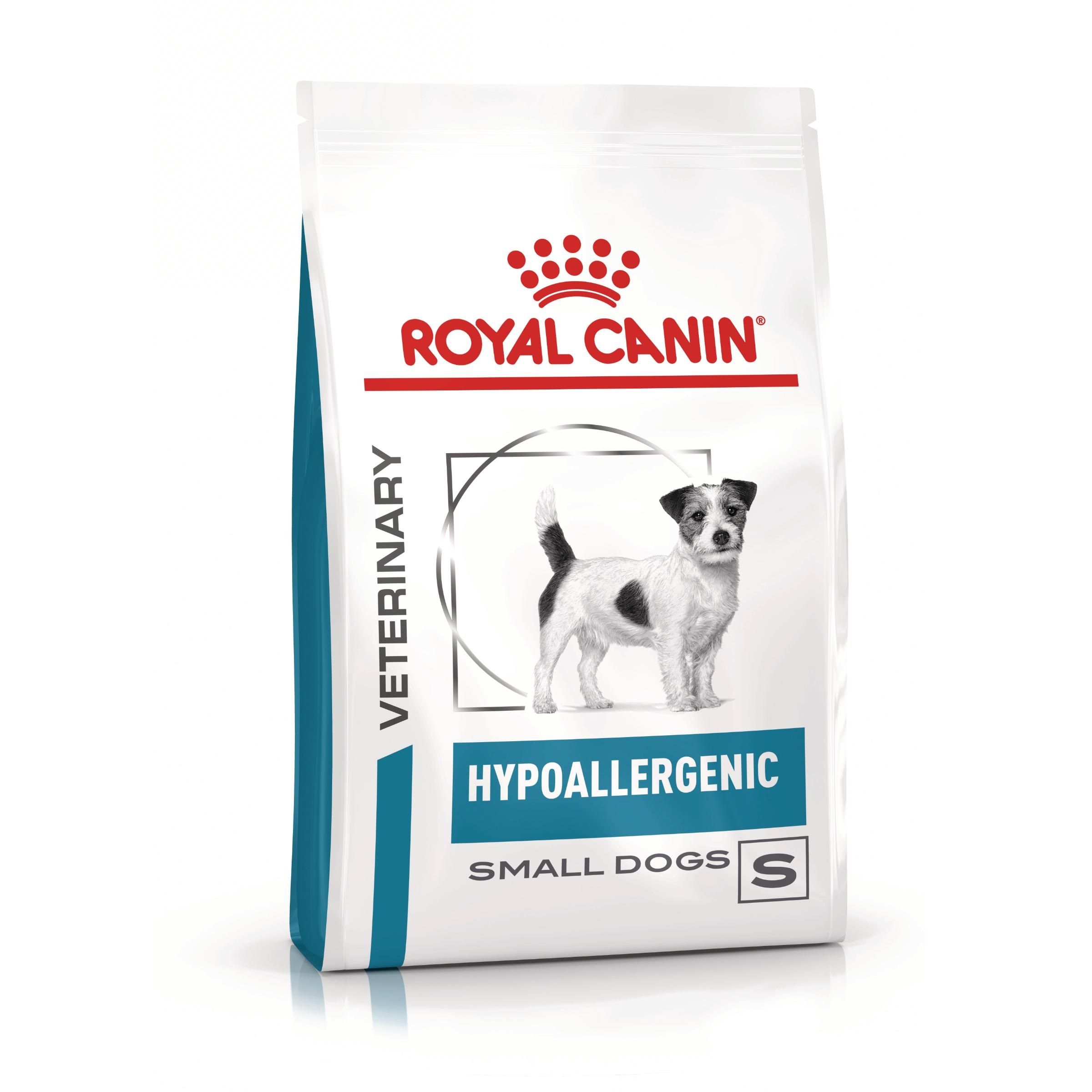
ROYAL CANIN Hypoallergenic Small Dog, XS-S, dieta veterinara, hrana uscata caini, alergii alimentare, 1 kg
Royal Canin
67.81 RON

DOG CHOW Puppy, Talie Mare, Curcan, 14 kg
Dog Chow
182.25 RON Old price: 260.36 RON
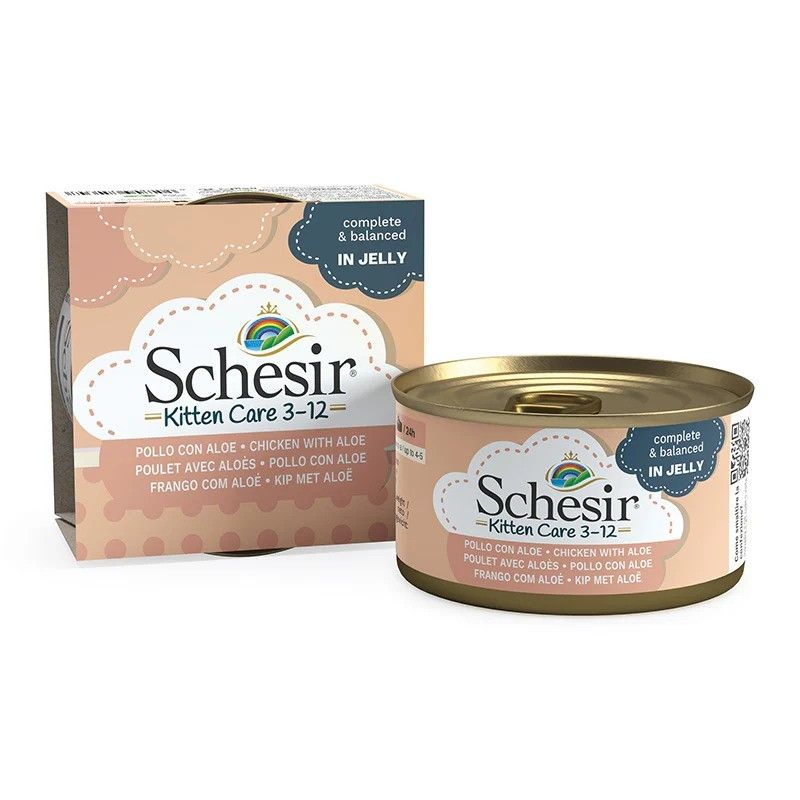
Hrana umeda pisici, Schesir Kitten Chicken with Aloe in Jelly, 85 g
GlobalPet
6.38 RON

Hrana umeda pisici, Schesir Kitten Tuna with Aloe in Jelly, 85 g
Schesir
7.54 RON

Bosch Adult Miel si Orez, 15 kg
Bosch
239.17 RON

Rinti Burta, 400 g
Rinti
14.11 RON
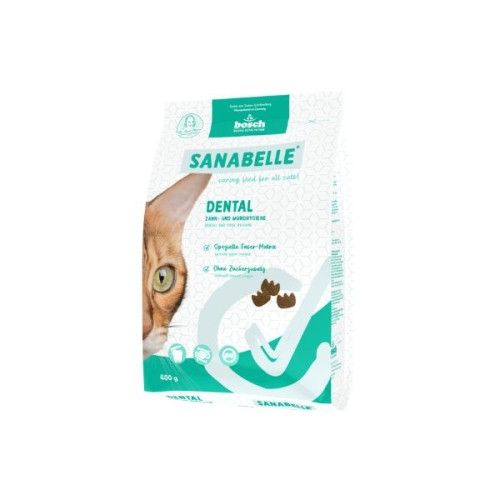
Hrana uscata pisici, Sanabelle Dental, 400 g
Sanabelle
31.14 RON
Frequently asked questions
Is wet food better than dry food?
Neither is automatically better. Wet food helps hydration and dry food is practical and economical. What matters is that the product is a complete food suited to the animal's age.
Is grain free food healthier?
Not necessarily. Most dogs and cats digest quality grains well. Allergies are more often linked to certain proteins; talk to your vet.
How quickly can I change food?
Gradually, over 7 to 10 days, mixing increasing amounts of the new food with the old one.
How many treats can I give a day?
In general, treats should not exceed about 10% of your pet's daily calories.


